
Traditional Chinese Medicine · Maia
Homeostase Vita — Traditional Chinese Medicine Space
An integrative space in Maia. Individual assessment and continued care for persistent pain, emotional health and balance that lasts.
- ACSS professional licence no. C-0062490
- Individual assessment Before any treatment
- Several techniques Chosen case by case
Treatments
Our treatments
According to the symptoms, characteristics and needs of each person, different techniques of Traditional Chinese Medicine and complementary areas may be used.
-
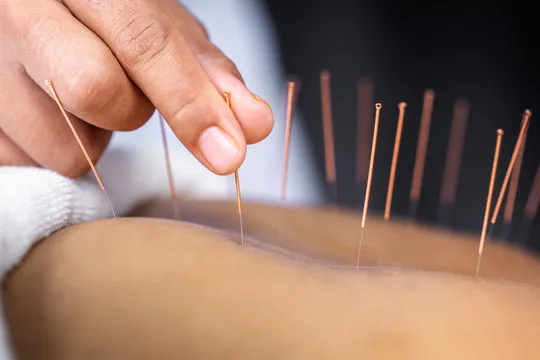
Acupuncture
The main technique of Traditional Chinese Medicine, applying needles at points chosen from an individual assessment.
The needles are very fine and the application is generally well tolerated. The points are not fixed: they change from session to session, according to the assessment and how things progress.
-
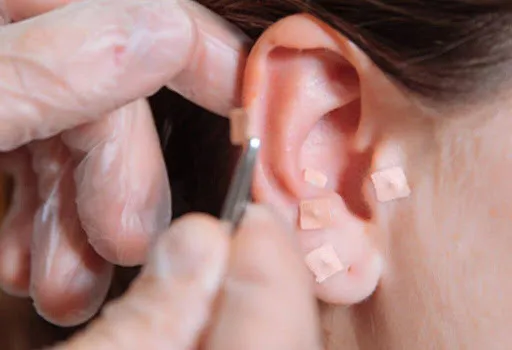
Auriculotherapy
Stimulation of points on the outer ear, integrated into the therapeutic strategy where appropriate to the situation.
It is applied to the outer ear, with small stimuli that may stay in place between sessions. It comes in as a complement to another technique, not on its own.
-
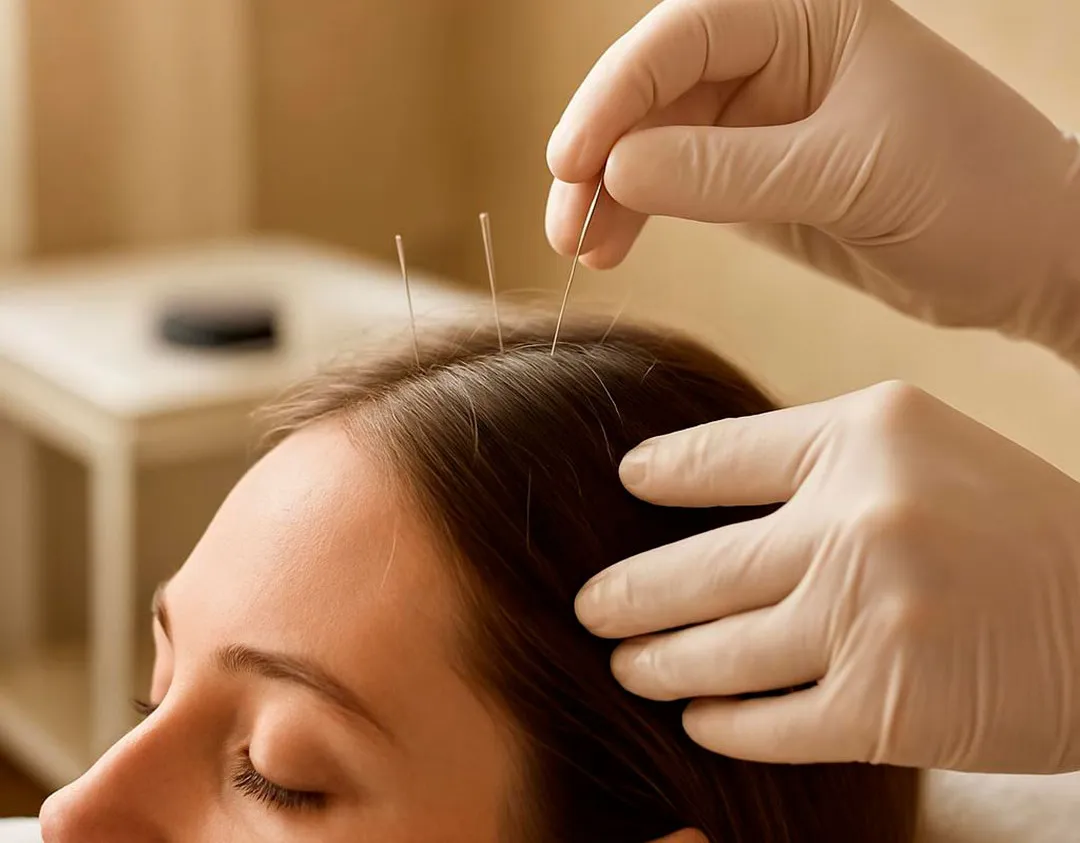
Craniopuncture
Stimulation of zones of the scalp, integrated into the therapeutic strategy according to the individual assessment.
It works with very fine needles on defined zones of the scalp. The zones chosen come from the same assessment that guides the other techniques.
The choice of techniques follows from the individual assessment made during the consultation.
Book a consultationHow we treat at Homeostase Vita
Rooted in Traditional Chinese Medicine, we look at the body as an interconnected whole rather than treating an isolated symptom. Each treatment is designed around the person, based on an individual assessment, and may include acupuncture, auriculotherapy, craniopuncture, moxibustion, herbal medicine and Chinese dietetics.
We work with a wide range of acute and chronic complaints — pain, digestive problems, stress, fatigue, sleep disturbances and hormonal imbalances — restoring balance and caring for health over the long term.
Our philosophy
An approach centred on the person.
Each person is assessed individually. Symptoms are not analysed in isolation but related to other signs, habits and personal characteristics, making it possible to build a whole view of their state of health.
From this assessment, a therapeutic strategy is defined to suit the needs of each person, drawing on the techniques best suited to each situation.
Care takes place in a calm, professional setting, where the time devoted to assessment and the attention paid to the particularities of each clinical case are central.
Areas of care
Situations where it can be used
Traditional Chinese Medicine can be used in addressing different health conditions, such as:
Book an assessment- Digestive and intestinal problems
- Migraines
- Muscle pain
- Stress, anxiety and insomnia
- Allergies, rhinitis and sinusitis
- Imbalance
The intervention is always personalised, taking into account the symptoms presented, the individual characteristics and the needs of each person, and may serve as a complement to conventional health care where appropriate.
In focus
Acupuncture, one of the
main techniques
Acupuncture is one of the main techniques used in Traditional Chinese Medicine, and may be complemented by other therapeutic strategies according to the needs of each person.
- Very fine needles, generally well tolerated
- Points chosen from the individual assessment
- Intervention adjusted to each person’s sensitivity
How the consultation works
From first contact to ongoing care
An individual assessment always precedes any intervention. This is the path for those coming for the first time.
-
In-depth assessment
The first consultation begins by gathering and analysing different parameters related to health, symptoms, habits and personal characteristics.
-
Overall observation
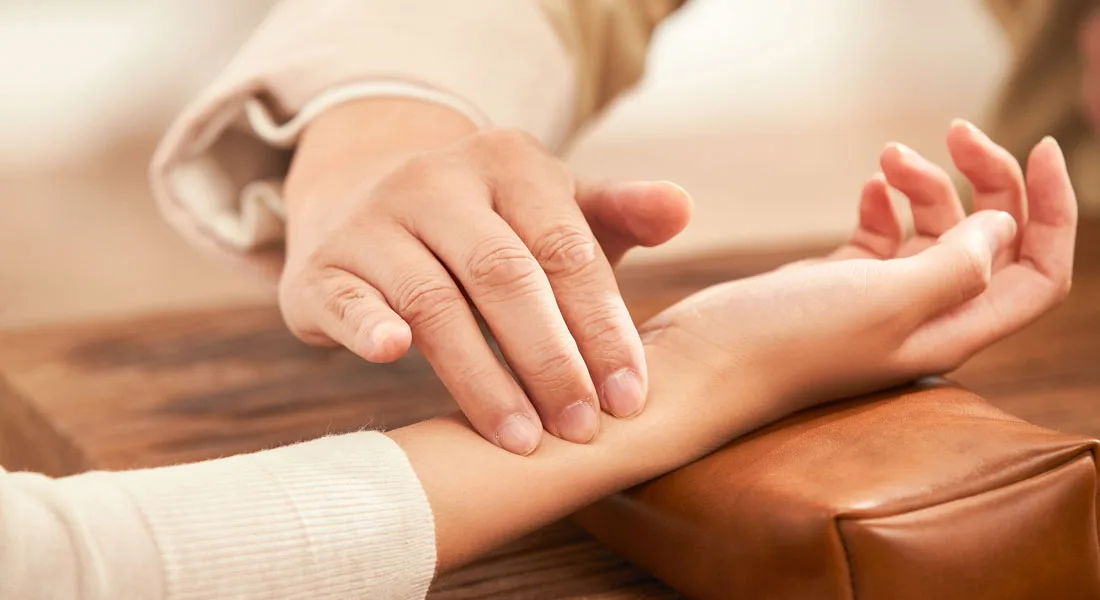
Observation of the tongue and assessment of the pulse are important elements of this evaluation, alongside questions directed at each situation.
-
Therapeutic strategy
The assessment leads to a strategy suited to the situation, which may bring together acupuncture, auriculotherapy or craniopuncture.
-
Follow-up consultations
These make it possible to track progress and adjust the intervention whenever necessary, throughout the course of care.
Prior appointment Consultations take place by appointment
Who looks after you
The person behind every consultation
Teresa Morais
Traditional Chinese Medicine therapist
ACSS licence no. C-0062490
Trained in Traditional Chinese Medicine, with a personalised and integrated practice oriented towards physical and emotional health. Continuing education allows for constant updating and for deepening knowledge in the assessment and therapeutic approach to different health conditions. A whole view of each person is valued, relating symptoms, habits and lifestyle, with the aim of promoting homeostasis and balance in the body.
Techniques practised
- Acupuncture
- Auriculotherapy
- Craniopuncture
- Moxibustion
- Herbal medicine
- Chinese dietetics
Frequently asked questions
Before your first consultation
What is Traditional Chinese Medicine?
Traditional Chinese Medicine (TCM) is a therapeutic approach to health based on age-old knowledge, which seeks to understand the person as a whole. Rather than analysing each symptom in isolation, it relates the different complaints and individual characteristics, considering that the same manifestation may be associated with different factors and imbalances.
Diagnosis in Traditional Chinese Medicine is carried out through an overall observation of the person and questions directed at symptoms, habits and individual characteristics. Observation of the tongue and assessment of the pulse are important elements of this evaluation.
Acupuncture is one of the main techniques used in Traditional Chinese Medicine, and may be complemented by other therapeutic strategies according to the needs of each person. Prevention and health promotion are also pillars of this medicine, valuing aspects such as diet, daily habits and lifestyle.
The aim is to provide a personalised intervention, oriented towards balance and the overall wellbeing of the body.
In what situations can Traditional Chinese Medicine be used?
Traditional Chinese Medicine can be used in addressing different health conditions, such as digestive and intestinal problems, migraines, muscle pain, stress, anxiety, insomnia, allergies, rhinitis and sinusitis, and situations of imbalance.
The intervention is always personalised, taking into account the symptoms presented, the individual characteristics and the needs of each person, and may serve as a complement to conventional health care where appropriate.
How does the consultation work?
The first consultation involves an in-depth, individual assessment, through gathering and analysing different parameters related to health, symptoms, habits and personal characteristics.
Follow-up consultations make it possible to track progress and adjust the intervention whenever necessary.
According to the symptoms, characteristics and needs of each person, different therapeutic techniques of Traditional Chinese Medicine and complementary areas may be used, namely acupuncture, auriculotherapy, craniopuncture, moxibustion, herbal medicine and Chinese dietetics.
Does acupuncture hurt?
Acupuncture needles are very fine and their application is generally well tolerated.
The sensation varies from person to person. For many people insertion is practically painless, with perhaps a slight prick or a momentary sensation of pressure, warmth or tingling.
During the session, the aim is to ensure the greatest possible comfort, adjusting the intervention to the sensitivity and individual characteristics of each person.
How many sessions are needed?
There is no single number of sessions that applies to everyone. The frequency and length of care depend on the situation presented, the therapeutic goals and the individual response to treatment.
Progress is followed across the consultations, allowing the therapeutic strategy to be adjusted whenever necessary.
How can I book a consultation?
Consultations take place by prior appointment.
To request an appointment or clarify any question before the first consultation, you can get in touch through the channels provided on this site.

Take the first step
Your consultation begins with a conversation.
No commitment: you can call just to clear up any questions before deciding.
The space
Where you will be received
Consultations take place in a dedicated room within a shared space in Maia — spacious, bright and quiet, with an entrance hall and a lawn outside.
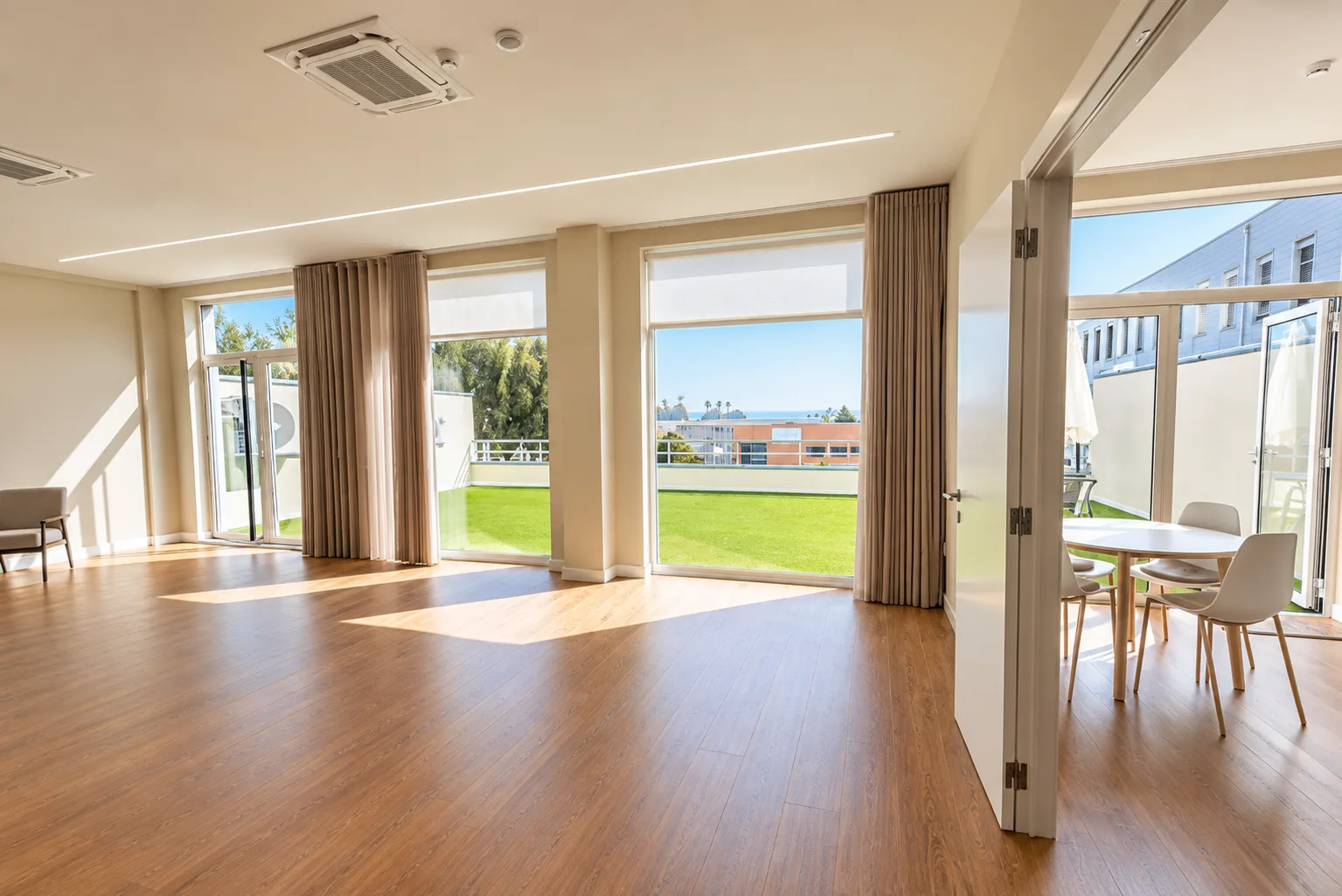
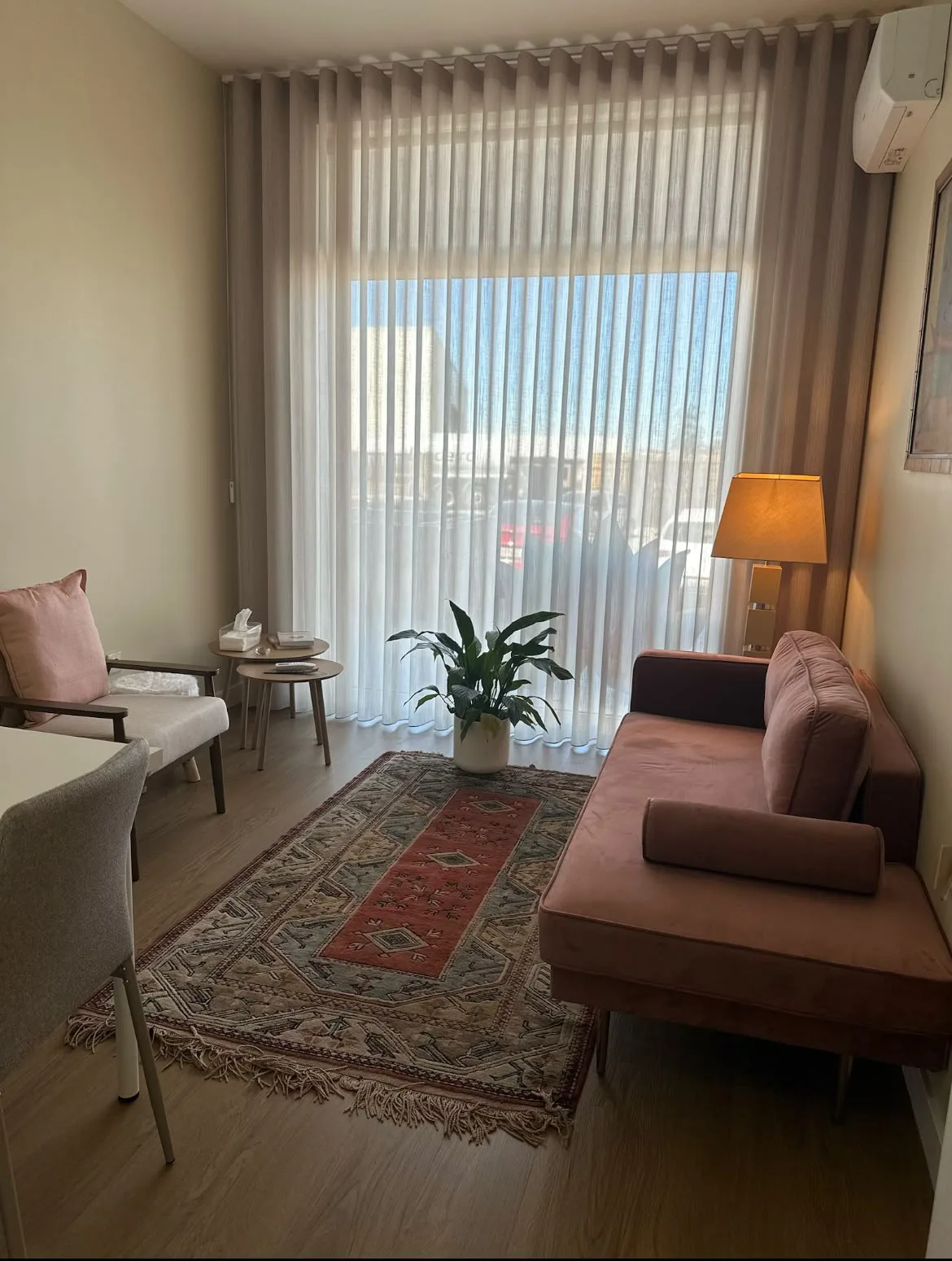
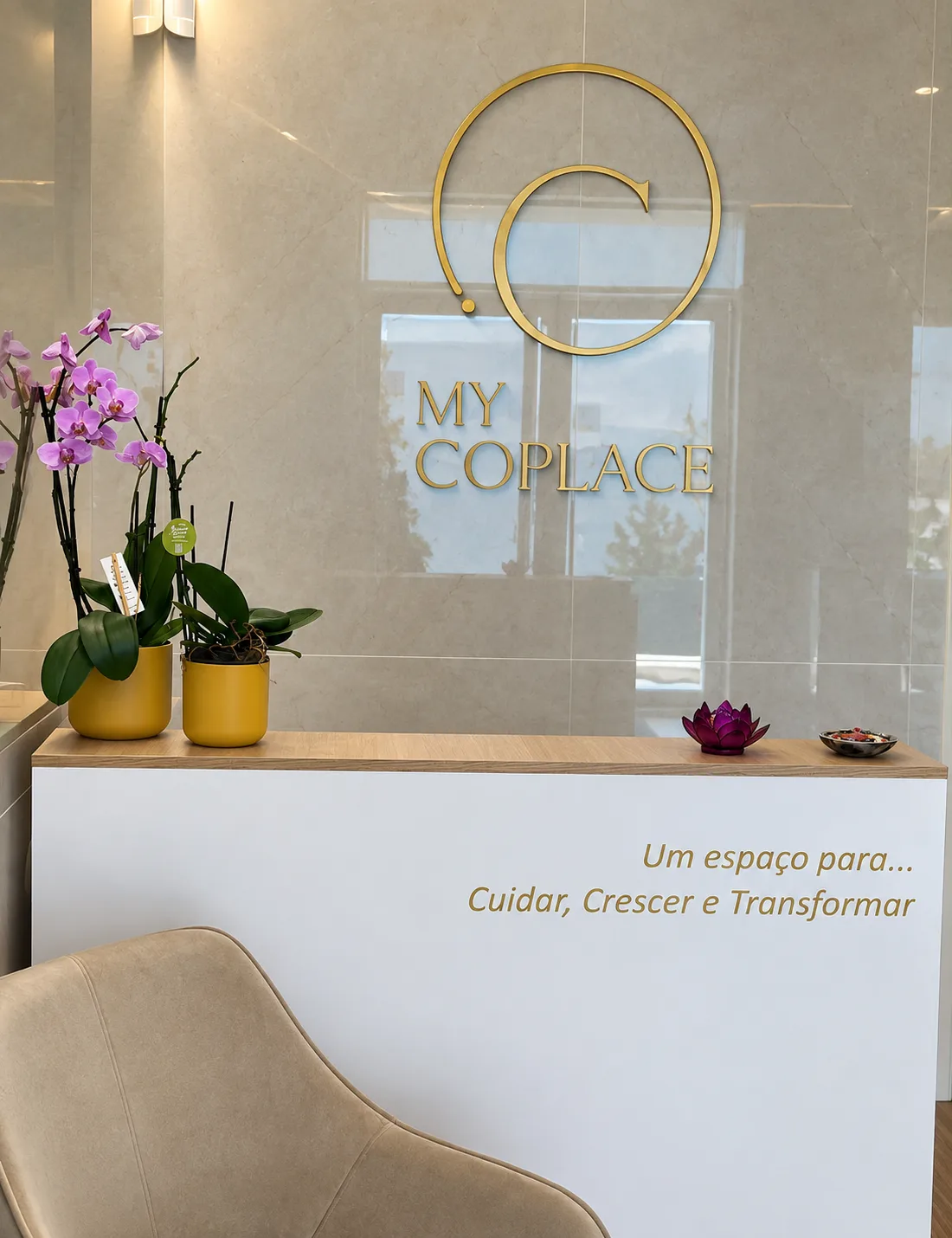
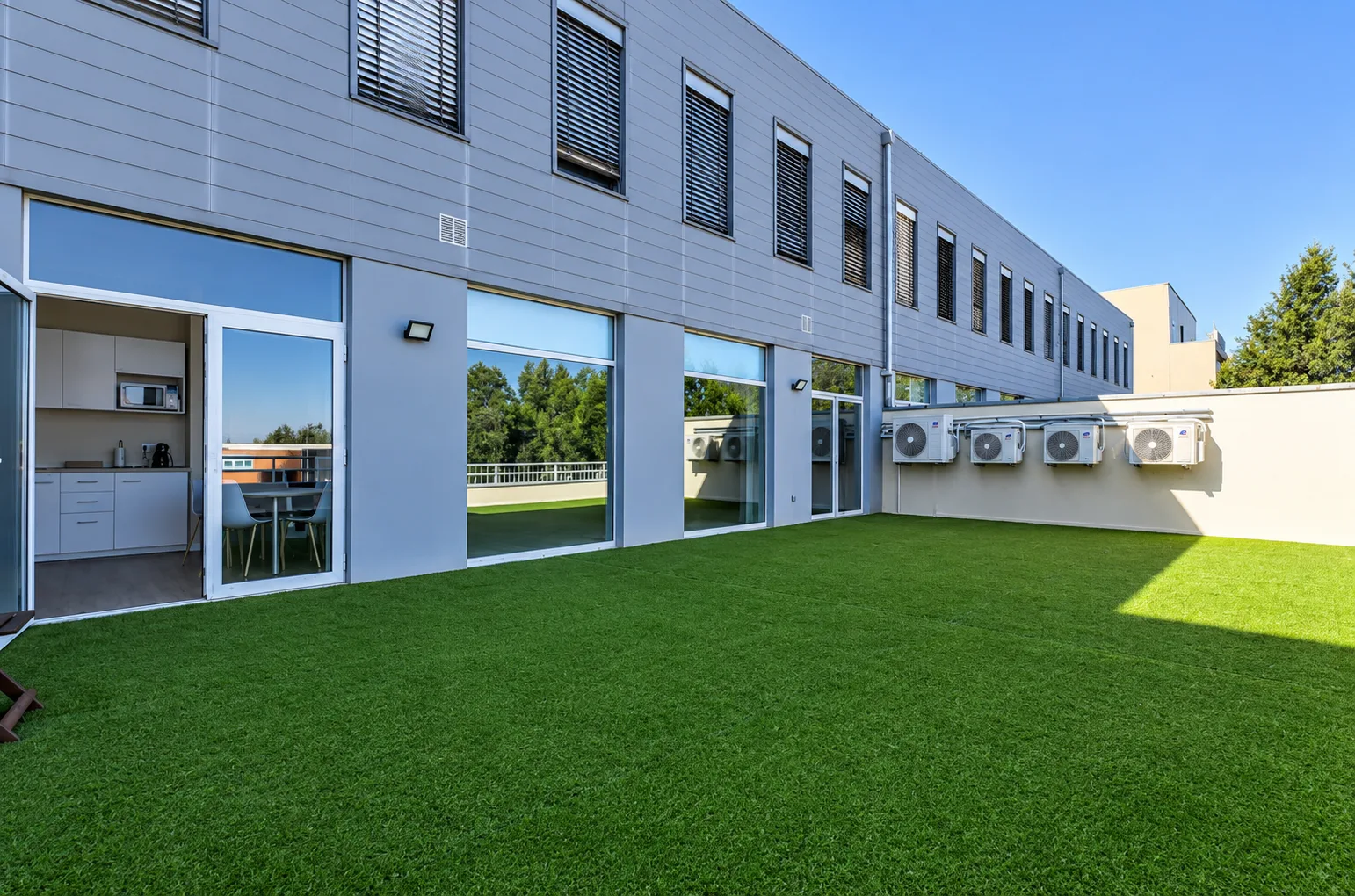
The common room and the entrance hall are shared with other professionals in the building. Consultations are always by prior appointment.
Where we are
How to find us
Homeostase Vita is located on Rua Engenheiro Frederico Ulrich, in Maia — in the space shown above.
- Address Rua Engenheiro Frederico Ulrich 2027, 4470-605 Maia
- Consultations By prior appointment
Rua Engenheiro Frederico Ulrich 2027
4470-605 Maia
Booking
Book your consultation
or get in touch.
Consultations take place by prior appointment. Leave your details and we will get in touch to confirm a time.
We have received your request.
We will be in touch shortly to confirm a time.
Message us on WhatsApp nowThe request could not be sent.
Your details have not been lost — they are still in the form. Try again, or send us the request on WhatsApp, already filled in.